Deep insights, inspiration, founder stories, and comprehensive reports.
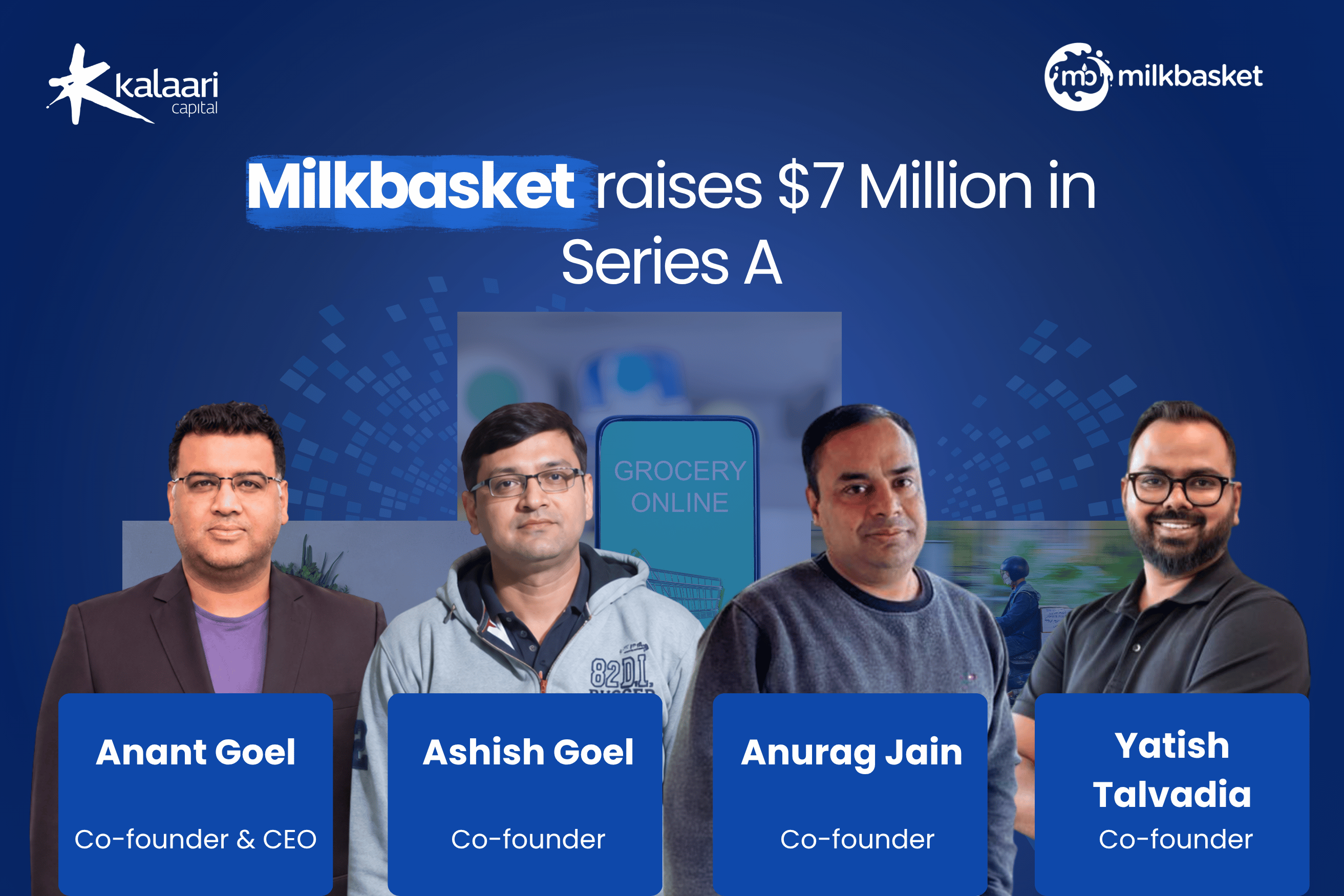
Why we invested in MilkBasket
Today, we are very excited to announce Kalaari Capital’s investment in Milkbasket — partnering with founding team Anant, Ashish, Yatish, and Anurag. Their journey towards building a great household brand for grocery shopping in India is exciting to us and we hope to foster a long-term relationship with Milkbasket and see this goal come to light.
BLOGS
PERSPECTIVE
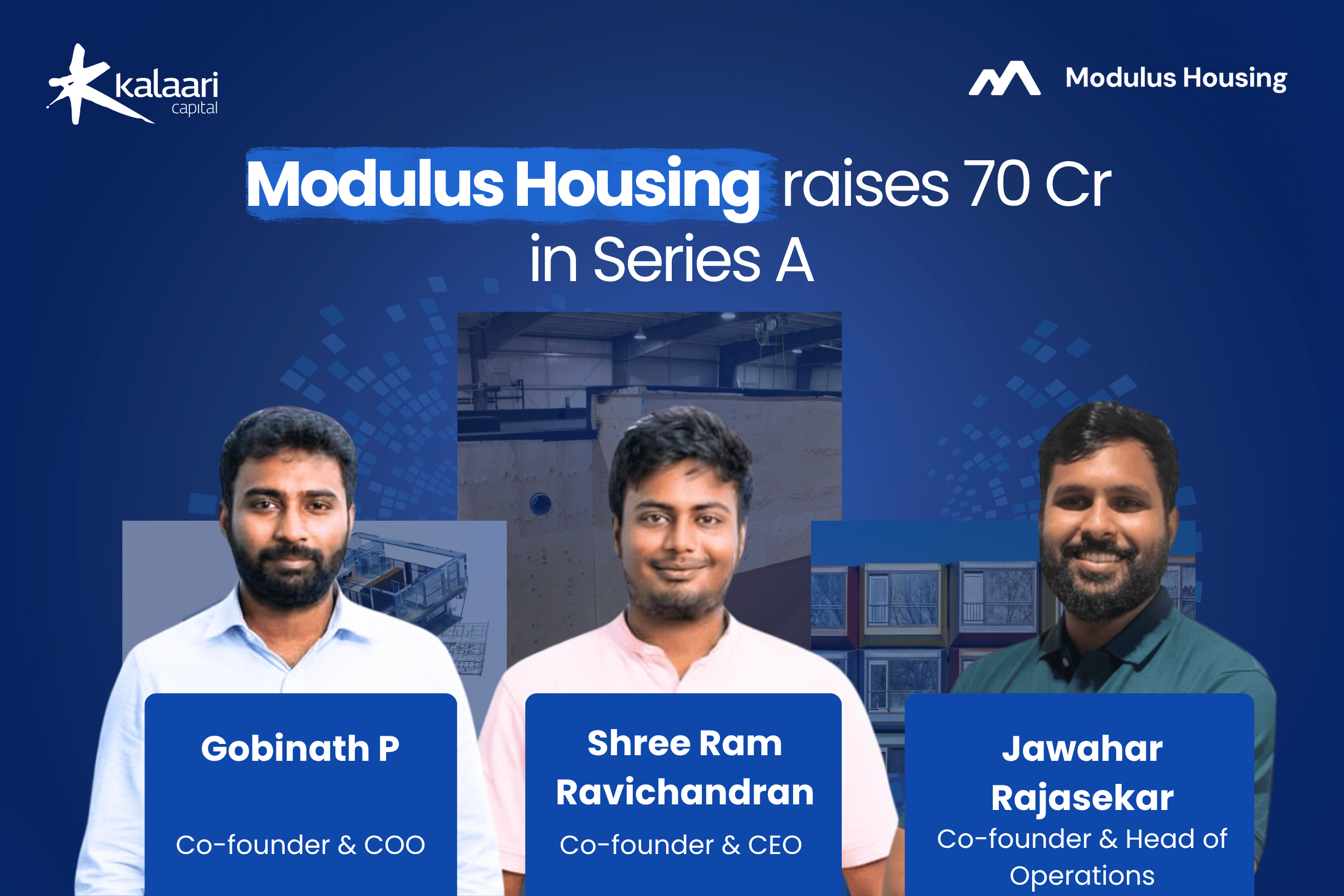
Why We Invested in Modulus Housing
India is undergoing one of the world’s largest infrastructure buildouts. With over $1.3 trillion allocated under the National Infrastructure Pipeline and an estimated $5.8 trillion real estate market by 2047, the construction sector is poised to contribute 15.5% to India’s GDP – up from the current 7.3%.
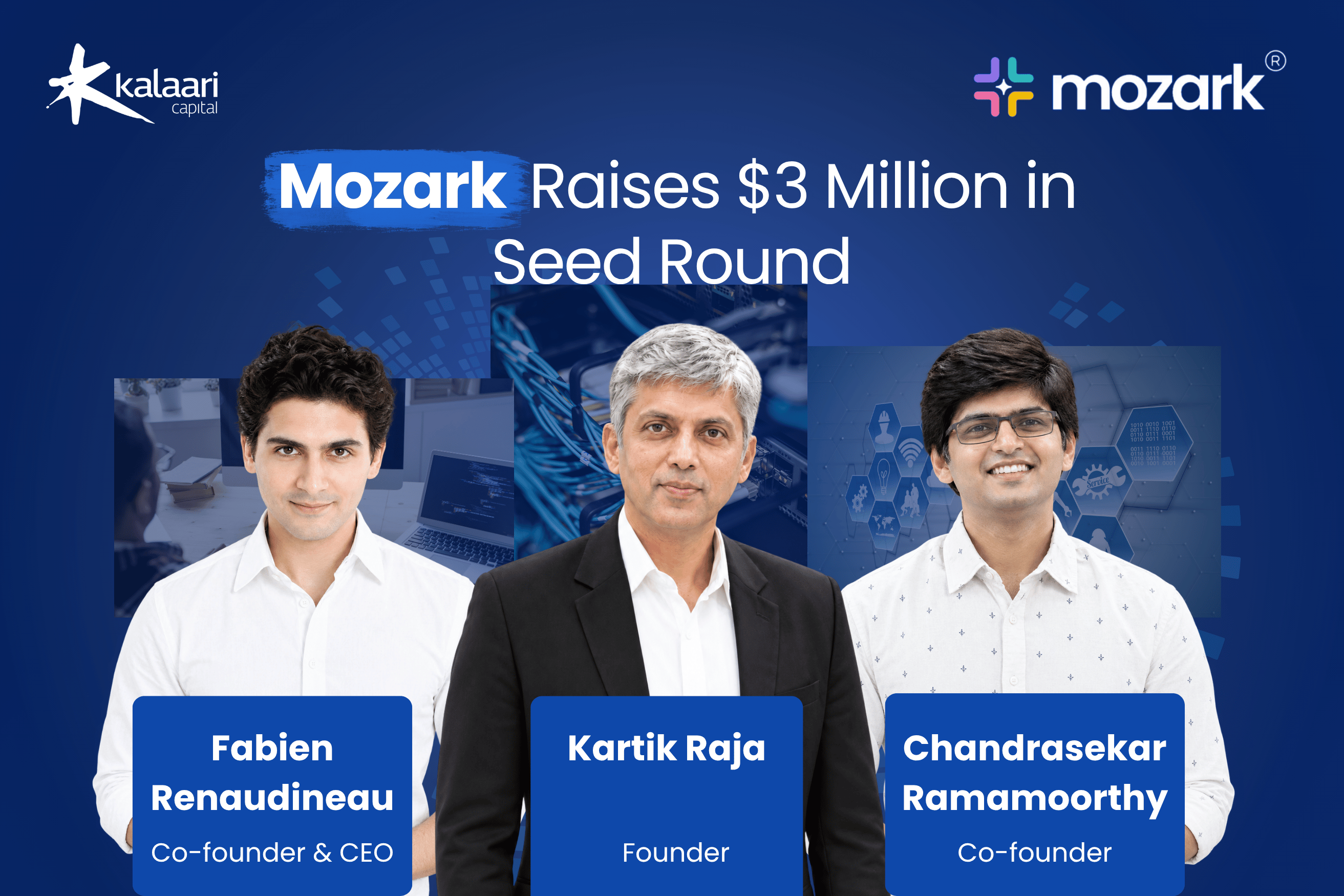
Why We Invested in Mozark
As mobile data becomes the backbone for many consumer services, we believe that the quality of data networks and data science around it will be a huge market opportunity.
BLOGS
PERSPECTIVE
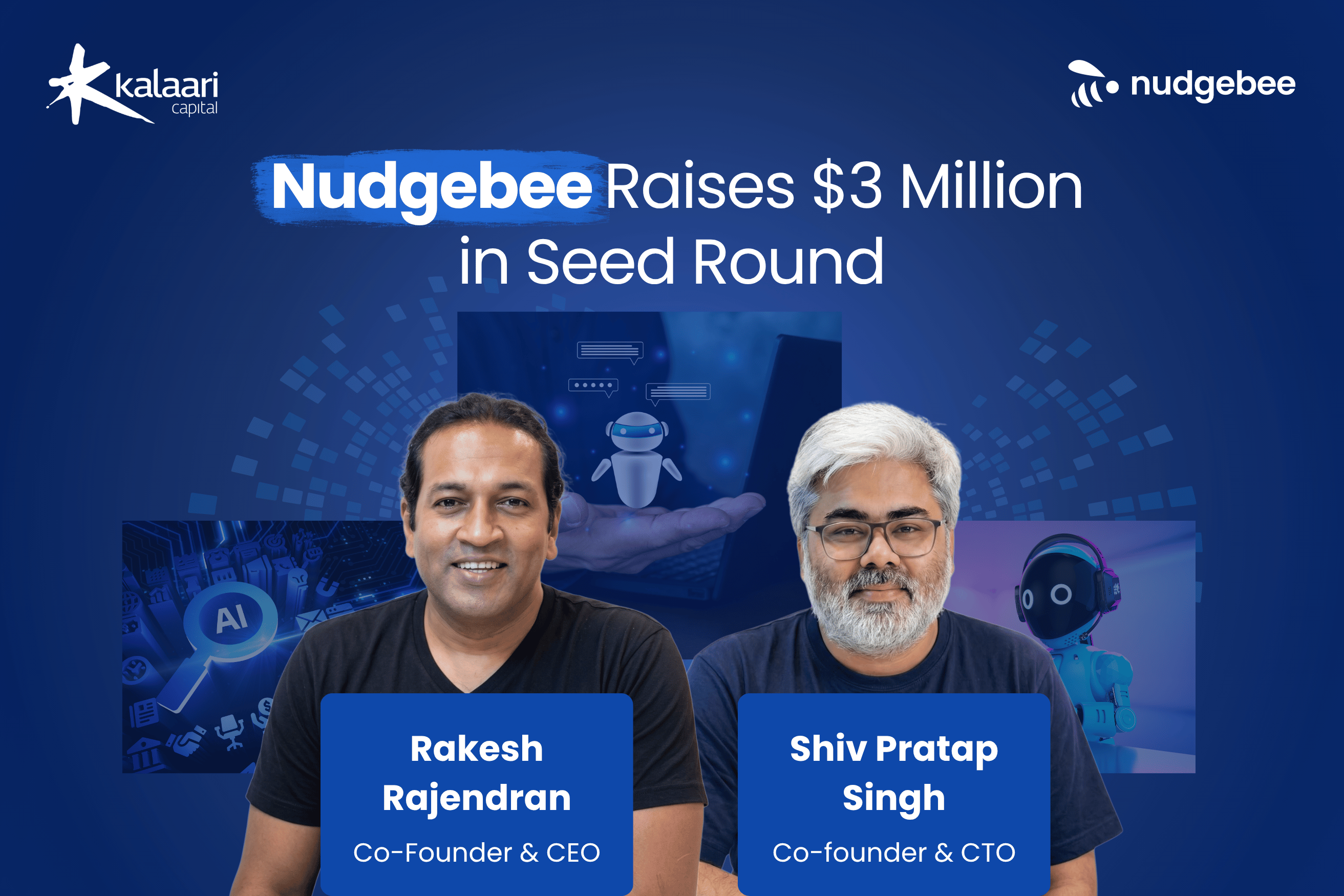
Why We Invested in NudgeBee
Over the last decade, enterprise software has moved decisively to cloud-native, multi-cloud, containers, and microservices. The way enterprises build software has fundamentally changed. The way they operate it has not.
BLOGS
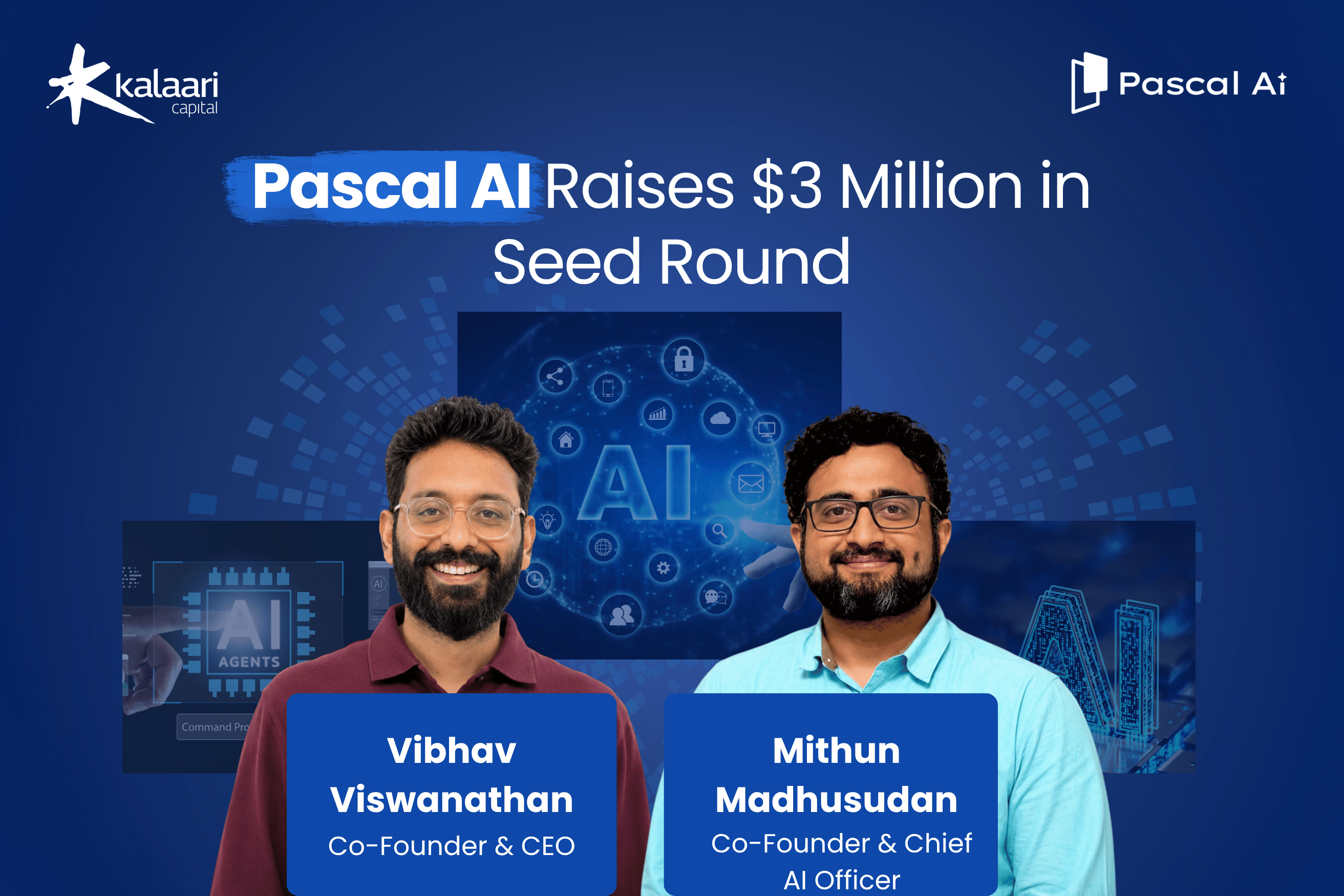
Why We Invested in Pascal Ai
In the 1960s, Eugene Fama developed the Efficient Market Hypothesis (EMH), which argues that financial markets are informationally efficient—meaning asset prices always reflect all available information.
BLOGS
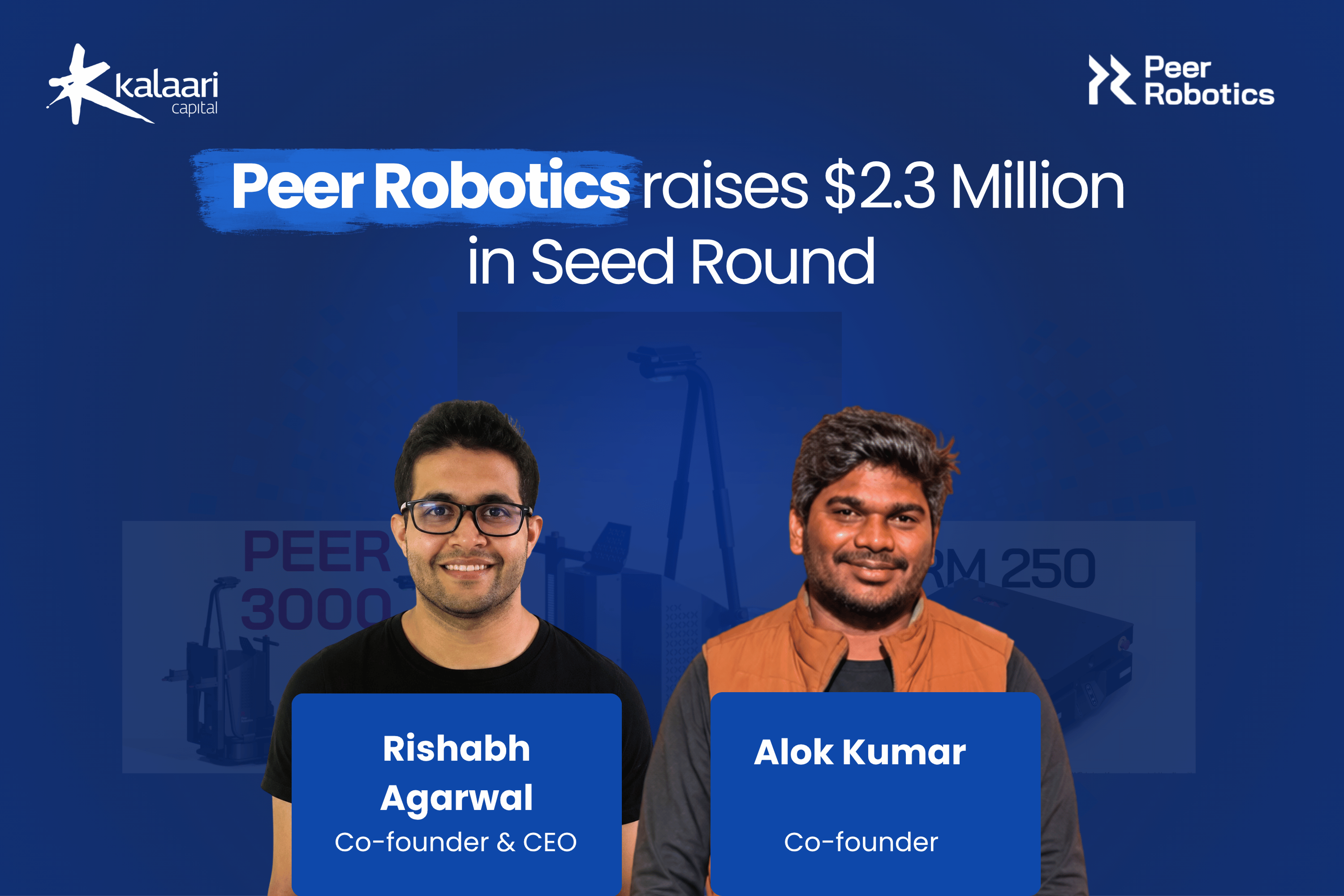
Why We Invested in Peer Robotics
Peer Robotics heuristics-based tech stack enables out-of-the-box, flexible material handling deployment without heavy integration costs.
BLOGS
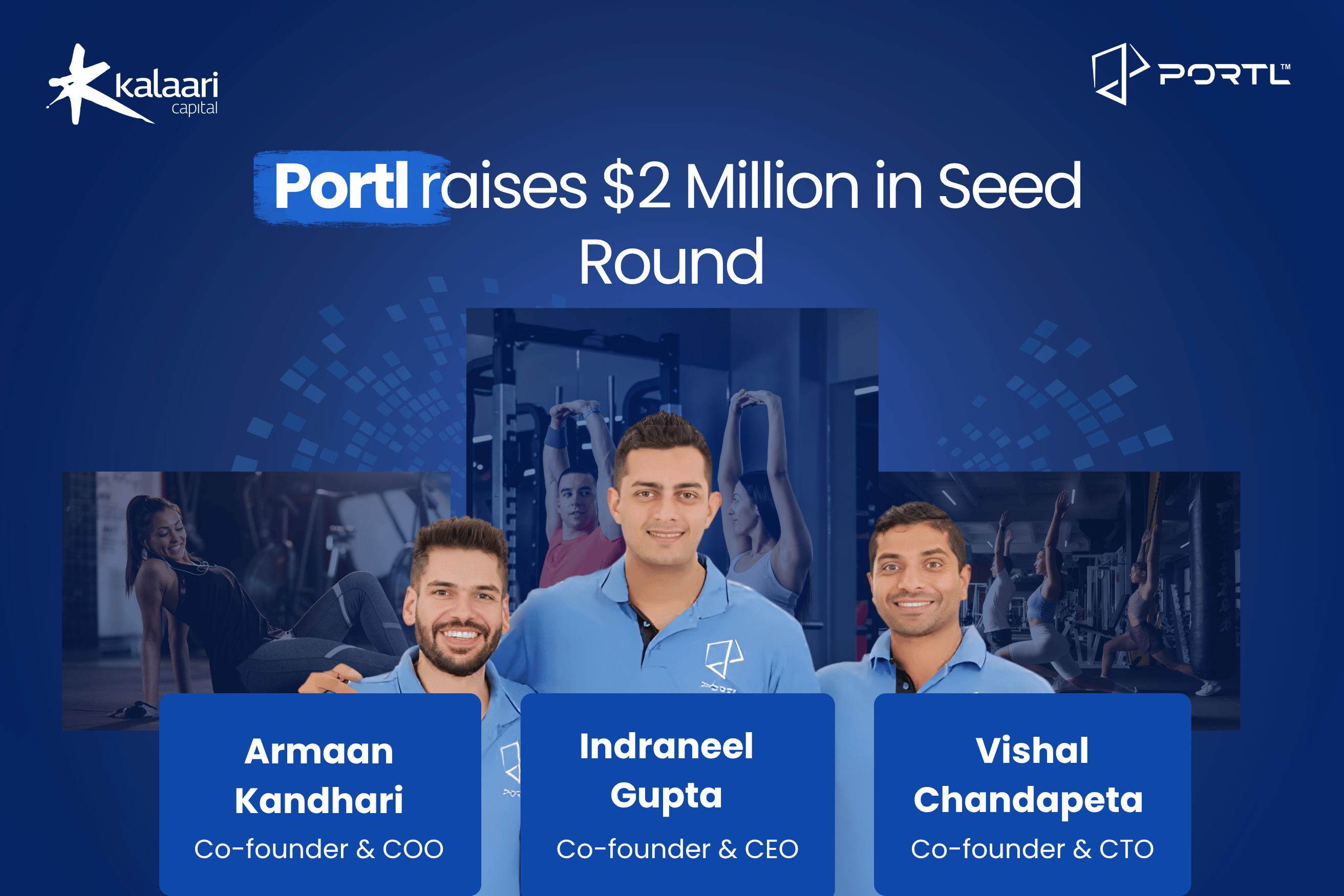
Why We Invested In Portl
Kalaari Capital breaks down its investment in Portl — an AI-driven connected fitness device tackling India’s biggest workout pain points: adherence, personalization, space, and access.
BLOGS
PERSPECTIVE
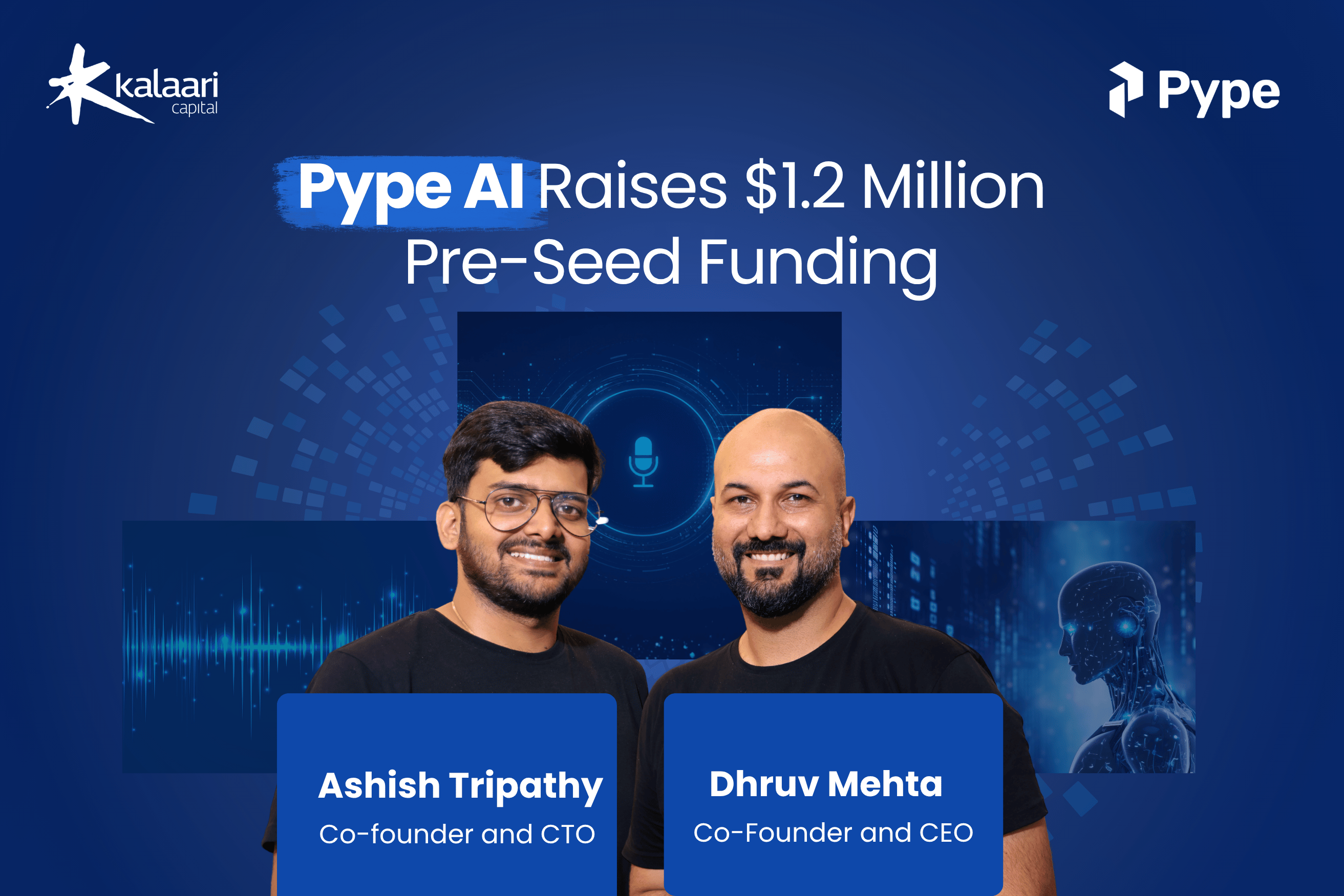
Why We Invested in Pype AI
Pype AI scales hospital front-desk operations by deploying deeply integrated, voice-led autonomous agents that eliminate administrative overhead and reduce patient no-shows
Today, we are very excited to announce Kalaari Capital’s investment in Milkbasket — partnering with founding team Anant, Ashish, Yatish, and Anurag. Their journey towards building a great household brand for grocery shopping in India is exciting to us and we hope to foster a long-term relationship with Milkbasket and see this goal come to light.
BLOGS
PERSPECTIVE
Why We Invested in Modulus Housing
India is undergoing one of the world’s largest infrastructure buildouts. With over $1.3 trillion allocated under the National Infrastructure Pipeline and an estimated $5.8 trillion real estate market by 2047, the construction sector is poised to contribute 15.5% to India’s GDP – up from the current 7.3%.
Why We Invested in Mozark
As mobile data becomes the backbone for many consumer services, we believe that the quality of data networks and data science around it will be a huge market opportunity.
BLOGS
PERSPECTIVE
Why We Invested in NudgeBee
Over the last decade, enterprise software has moved decisively to cloud-native, multi-cloud, containers, and microservices. The way enterprises build software has fundamentally changed. The way they operate it has not.
BLOGS
Why We Invested in Pascal Ai
In the 1960s, Eugene Fama developed the Efficient Market Hypothesis (EMH), which argues that financial markets are informationally efficient—meaning asset prices always reflect all available information.
BLOGS
Why We Invested in Peer Robotics
Peer Robotics heuristics-based tech stack enables out-of-the-box, flexible material handling deployment without heavy integration costs.
BLOGS
Why We Invested In Portl
Kalaari Capital breaks down its investment in Portl — an AI-driven connected fitness device tackling India’s biggest workout pain points: adherence, personalization, space, and access.
BLOGS
PERSPECTIVE
Why We Invested in Pype AI
Pype AI scales hospital front-desk operations by deploying deeply integrated, voice-led autonomous agents that eliminate administrative overhead and reduce patient no-shows



.svg)